Four clever hacks to boost your iron absorption
Most people don’t realise iron deficiency is one of the most common deficiencies worldwide. Truly getting enough iron into your diet requires quite some planning. From understanding the different forms of iron, to combining food sources that improve absorption and avoiding foods that block absorption, it becomes overwhelming. So, here are four unexpected hacks to help boost your iron.
1. Go for an iron-rich breakfast
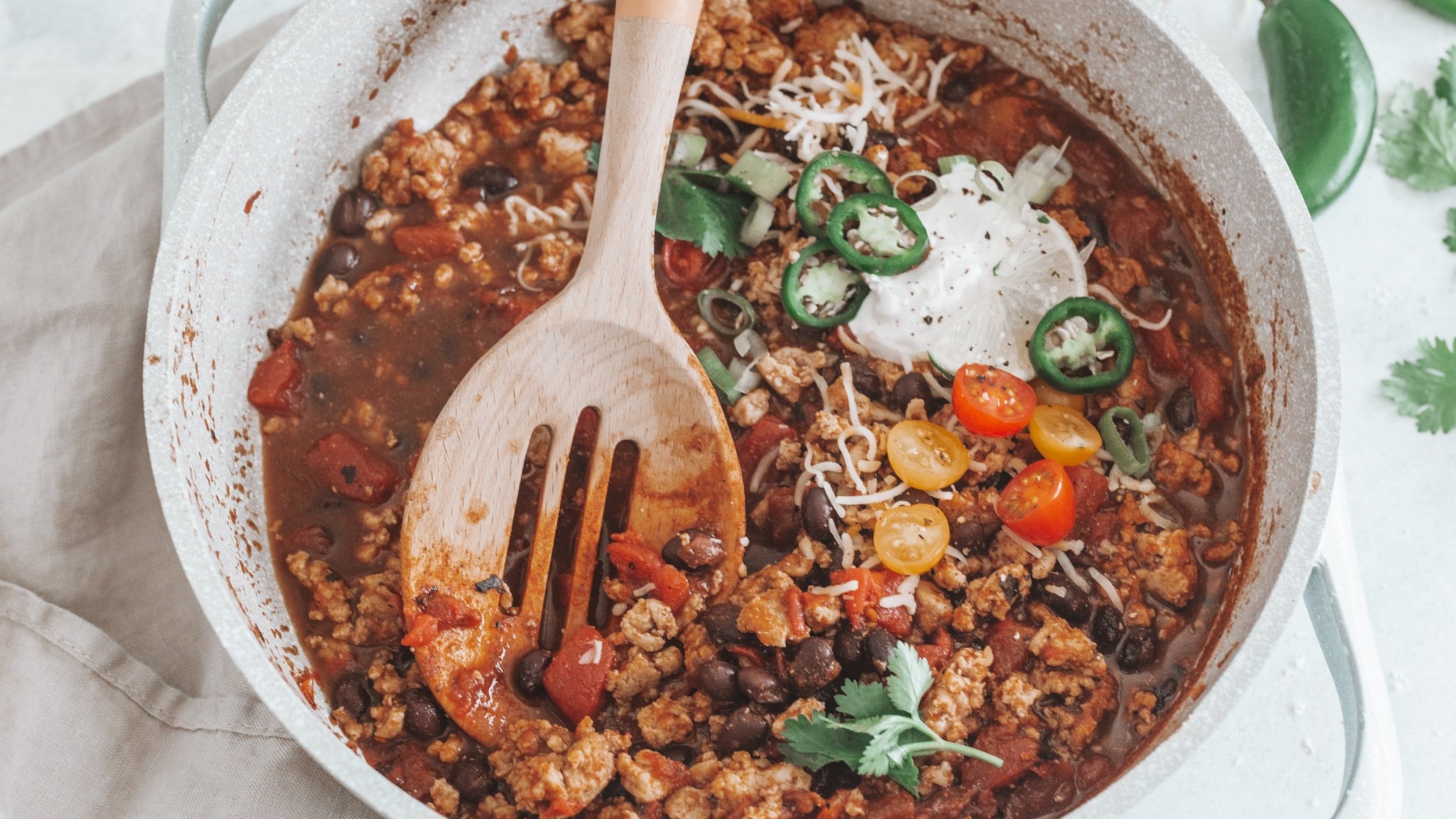
Did you know iron is absorbed best in the morning? This is thanks to a hormone produced by the liver called hepcidin which reduces iron absorption, Hepcidin levels are lowest in the morning and peak in the afternoon. To overcome this? Prioritise iron at breakfast. Think baked beans on iron-fortified bread (we have a stunningly hearty baked beans recipe here) or an iron-fortified cereal topped with mixed nuts and dried apricots.
2. Be smartER with vitamin C
Vitamin C helps absorb plant sources of iron, even when your meal or snack also has absorption blockers like calcium, phytates (in wholegrains and legumes) or tannins (in tea, coffee, wine and cacao). But, it is important to add enough vitamin C. Aim for at least 50 mg of vitamin C to boost absorption by three to six fold. Think a half cup of cooked broccoli or capsicum, a large kiwi fruit, a medium orange or a cup of strawberries.
3. Don’t forget snacks
Capitalising on snack times is a great way to boost your iron intake. There is only so much you can pack into a main meal. Simple iron-rich snack ideas include:
A handful of cashews and dried apricots
A slice of iron fortified bread with peanut butter
A mixed nut and seed bar, like our Prebiotic Muesli Bar recipe
Grainy crackers with hummus
4. Rethink spinach
Spinach is often promoted as being iron-rich. But, it shouldn’t be relied on to meet your iron requirements. It is poorly absorbed being both non-haem iron and containing oxalates that reduce absorption. Instead? Think of it as a secondary source of iron in your meals, and combine it with one to two richer sources like red meat, tofu, legumes and nuts. Cooking and adding enough vitamin C will further improve how much iron is absorbed. Think stir-fried spinach with broccoli, capsicum, tofu (or beef) garnished with cashews and a squeeze of lime.
Feeling overwhelmed with planning your own diet to increase your iron? Need support with tailoring these tips for your individual lifestyle? Book an appointment with one of our Accredited Practising Dietitians today.
HUNGRY FOR MORE? CHECK OUT OUR LIBRARY OF ARTICLES AND RECIPES WRITTEN BY OUR DIETITIANS:
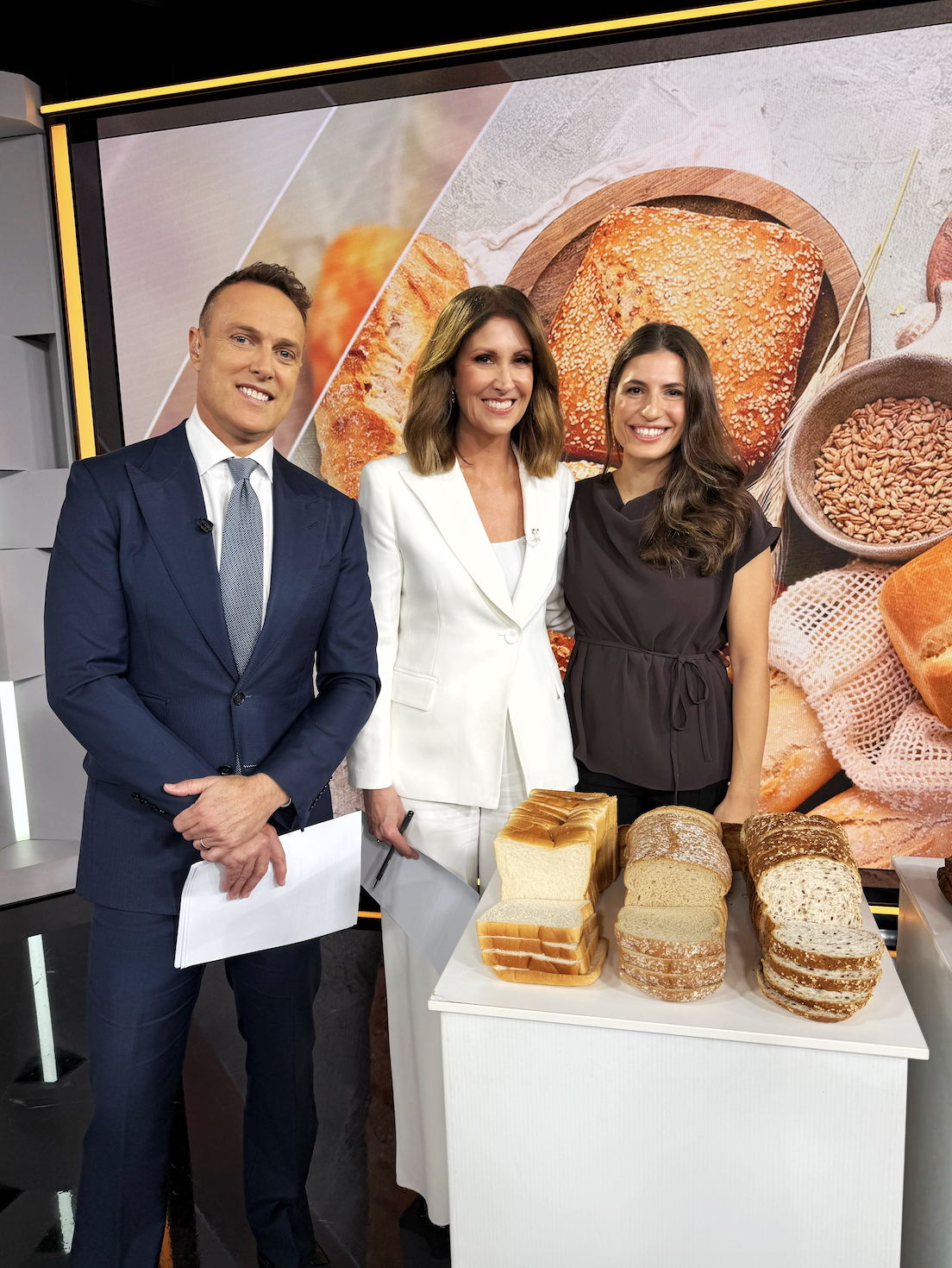
Confused by the bread aisle? Let an Accredited Practicing Dietitian help you navigate the bread aisle and help to explains wholegrain vs wholemeal, sourdough, multigrain and how to choose the healthiest bread for you.

This quick budget recipe is proof healthy eating doesn’t need to be expensive. The star ingredient? Canned four bean mix! Not only does it provide low GI carbohydrates and protein to make this a satisfying salad, it also boosts the plant diversity of the dish for a happy healthy gut.

A well-stocked pantry can make healthy eating easier, cheaper and far less stressful. Here’s how to pantry load with confidence, while busting the common myths that may be costing you money and nutrition.
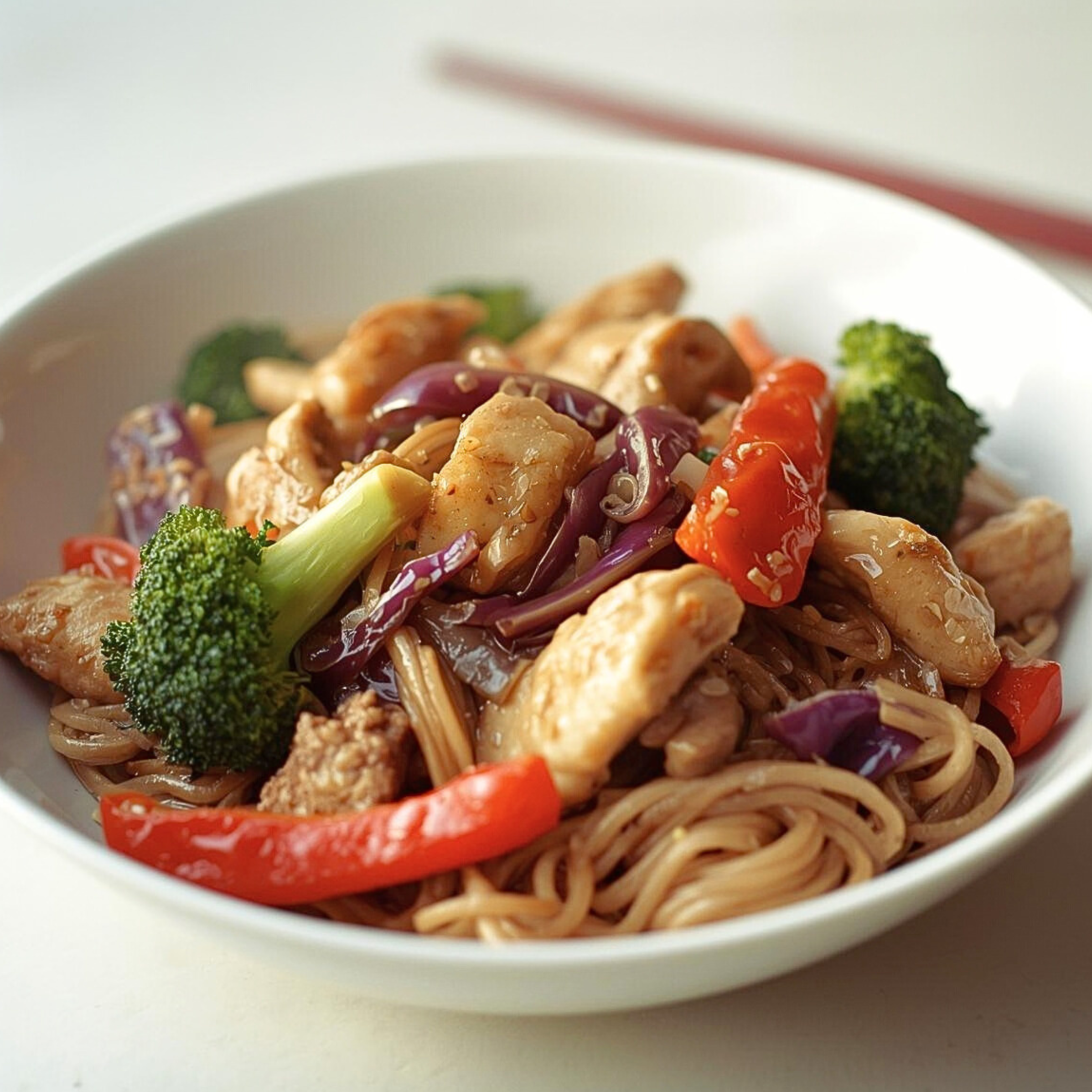
Trying to lower your cholesterol but worried it means it’ll be just bland food here on out? This colourful chicken and vegetable stir-fry is rich in fibre, antioxidants and heart-supportive ingredients. A simple, satisfying dinner that actually tastes good.
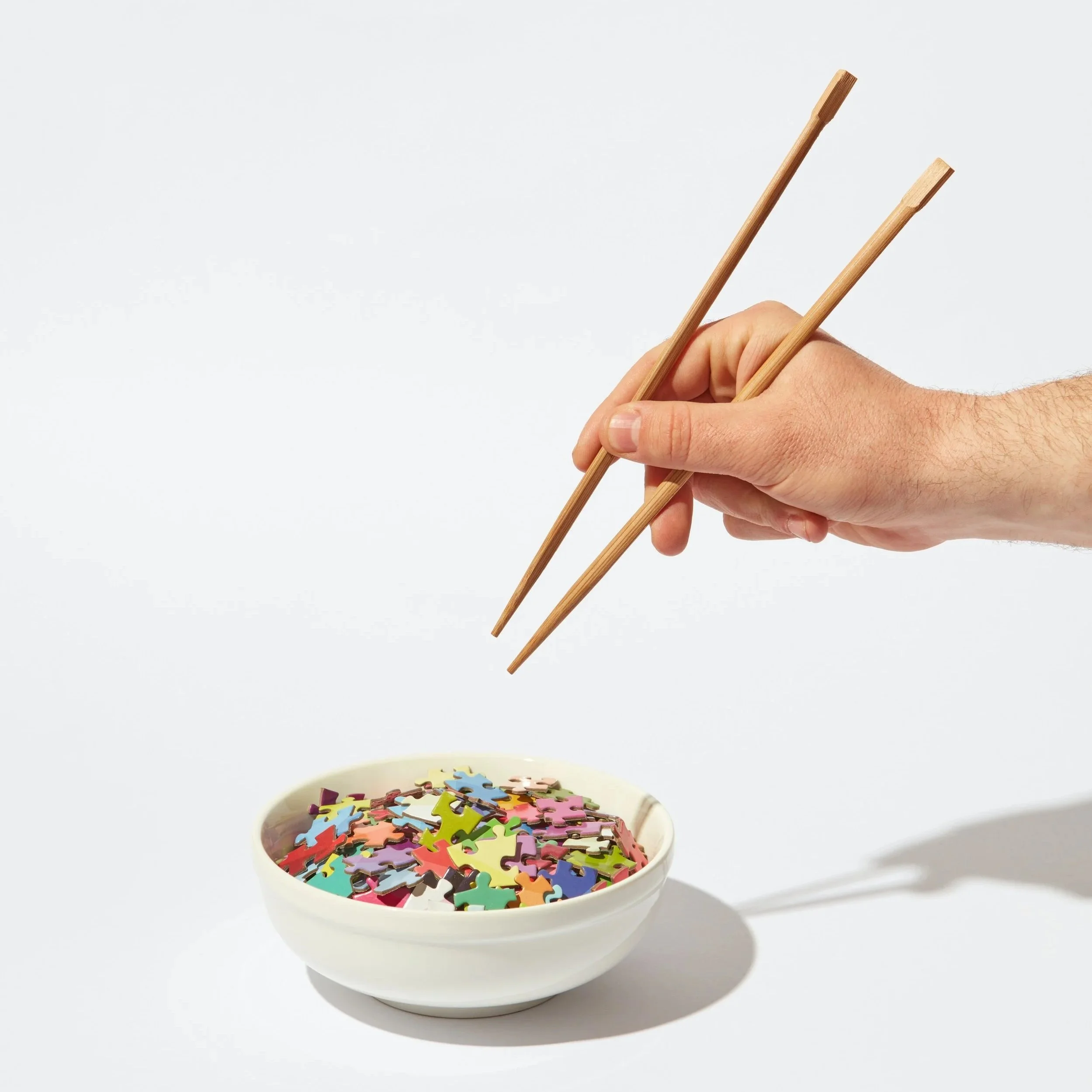
Impulse eating and binge eating are more common in adults with ADHD than many people realise. Not because of willpower, but because ADHD affects dopamine, reward and impulse control. In this blog we unpack why it happens and practical strategies that can help you feel more in control around food.
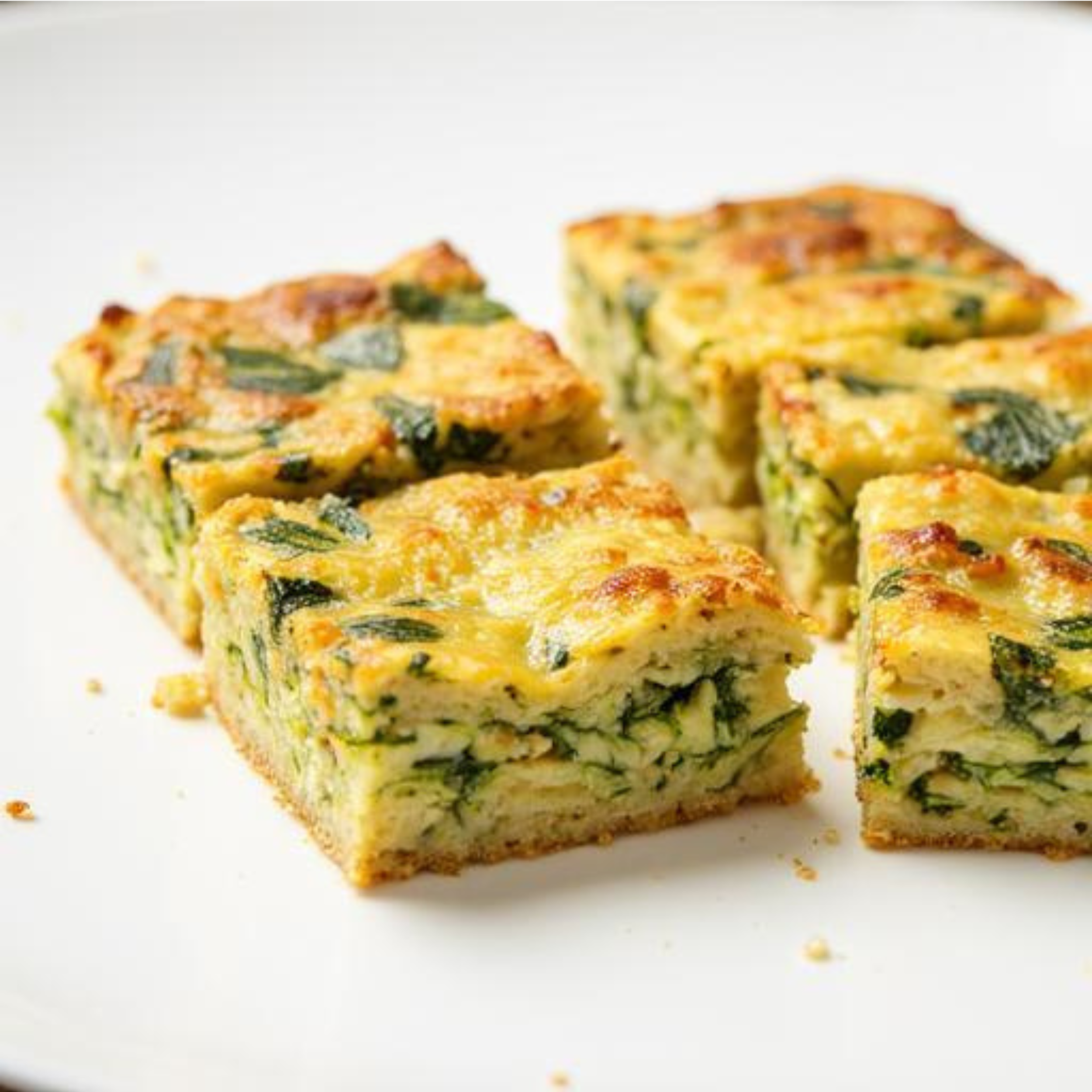
Trying to manage insulin resistance or type 2 diabetes without living on salads? This high-protein zucchini slice is balanced for blood sugar, packed with fibre and easy to prep ahead. A diabetes-friendly lunch or snack that supports steady energy, keeps you fuller for longer and actually tastes good. No extremes, just smart, sustainable nutrition.
Bloating, constipation, reflux or nausea on Ozempic, Wegovy or Mounjaro? GLP-1 medications can slow and disrupt digestion, which explains those uncomfortable gut side effects. Here’s what’s happening in your body and how to support your digestion.
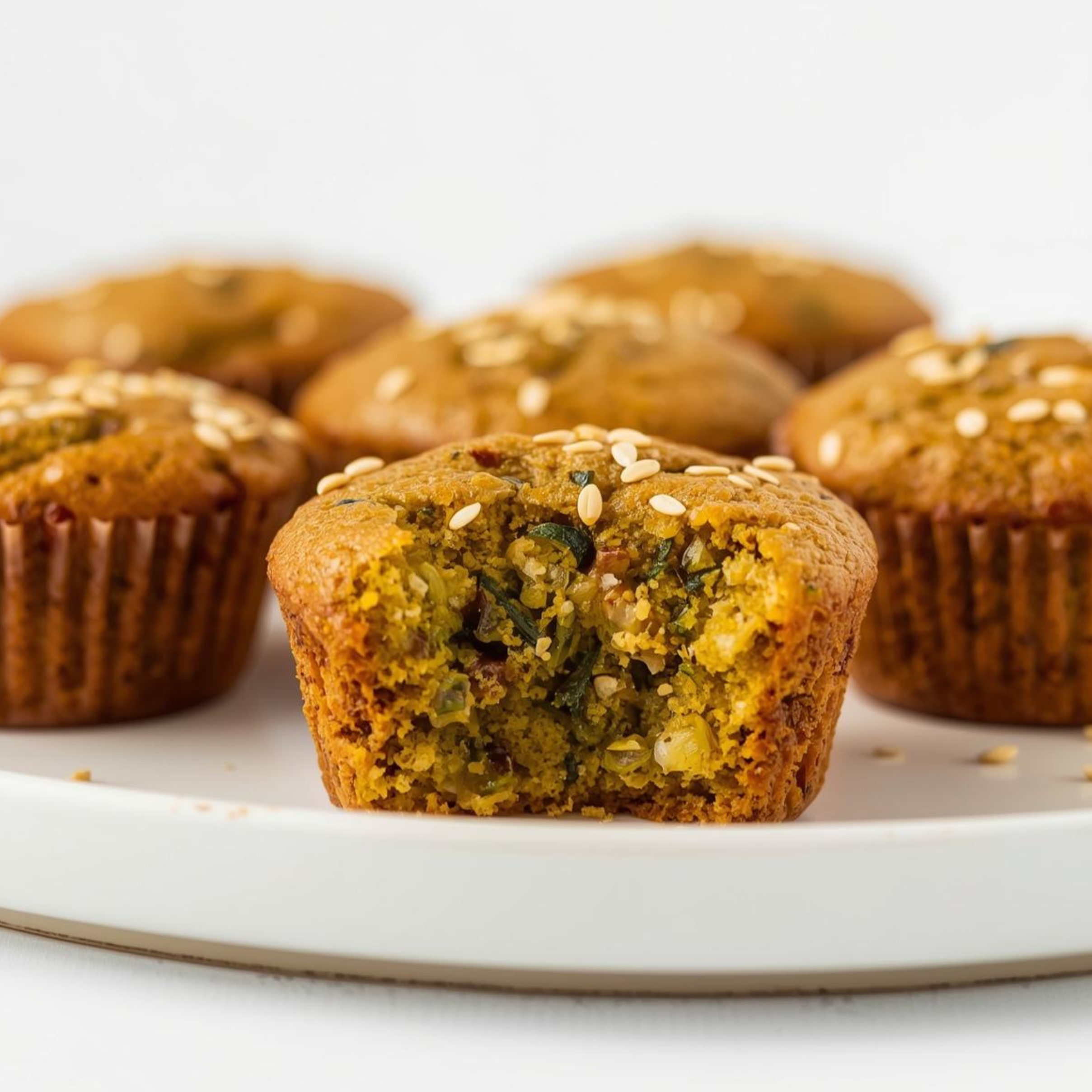
“IBS-friendly” doesn’t have to mean cutting everything out. These savoury veggie muffins use a gentle fibre approach to support digestion while still being filling, nourishing and satisfying. A practical, non-restrictive recipe for managing IBS symptoms without turning food into a rule book.
Calorie counting has it’s place (sometimes). But if you’re trying to heal your relationship with food, it can often do more harm than good. Let’s unpack what actually matters more than calories and three gentle, evidence-based strategies we use to support sustainable health (sans restriction, guilt or tracking).
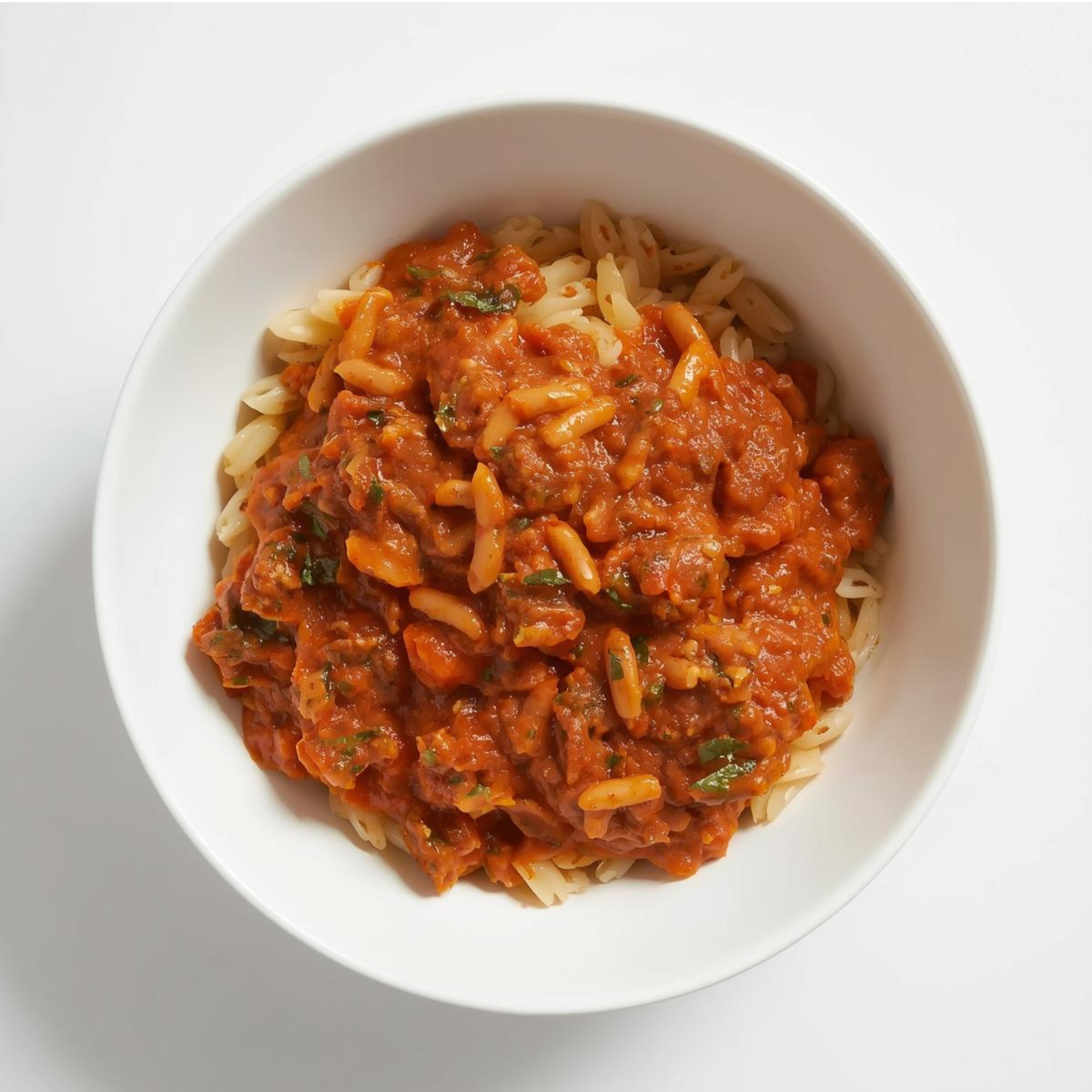
Say hello to an IBS-friendly one pot risoni bolognese that supports gut comfort without restrictive diets. Our dietitian-approved recipe uses gentle fibre strategies to help reduce bloating and digestive discomfort, while still giving you all the flavour, fibre and satisfaction you deserve when navigating IBS.
Have you started Ozempic, Wegovy or Mounjaro for insulin resistance? We know it can feel equal parts hopeful and confusing. Appetite feels different, hunger cues change, meals feel “heavier” and food suddenly feels quieter and less appealing. If you’re wondering “what am I actually meant to eat now?”, this blog will help unpack what’s actually happening, why nutrition is still important and how to approach food in a way that supports insulin resistance without falling into restriction, food rules or guilt.

If you’ve been on TikTok and insta lately, you’ve definitely seen “fibremaxxing” trending. And if you live with PCOS, fibre isn’t just a wellness buzzword. It’s an underrated tool for blood sugar control, gut health and hormones. The catch? Going from zero to hero with fibre can leave you bloated and uncomfortable. So, here’s what fibre does for PCOS, why it matters and how to hit that sweet spot between not enough and way too much.

If you’re living with POTS, that post-meal dizziness isn’t in your head, it’s a real physiological reaction. Thankfully, simple nutrition tweaks can actually make a difference. It’s all about understanding how food affects blood flow and fluid balance. Here are our top four strategies to ease those dizzy spells and feel more in control after eating.

Yes, water is essential. But between life admin, back-to-back meetings and chasing kids and/or career goals, it’s normal to forget to drink enough. You might not feel parched, but mild dehydration sneaks up in surprisingly subtle ways. Here’s four science-backed signs you might need more fluids and some practical hydration tips that don’t involve chugging litres of plain water (unless that’s your thing, no judgment).

Turns out, being strategic with your protein when you have ADHD can support attention, mood and emotional regulation throughout the day. Here’s everything you need to know about structuring meals and snacks, how much protein you need and easy high-protein food swaps.

This easy creamy silken tofu chocolate mousse is dairy-free and rich in polyphenols and fibre, perfect for a gut-loving, feel-good dessert (with no sacrifice on taste). Discover how cacao and dark chocolate support gut health without compromising indulgence.

Gut health plays a powerful role in managing endometriosis symptoms, especially through its impact on oestrogen levels, inflammation and digestion. The good news? It’s about adding in foods, not an extreme or restrictive diet. Here’s what the science says about the gut-endometriosis connection.

Have you been told to "just cut out salt" to lower your blood pressure, but feel like that is overwhelming and well… restrictive? Or, wish there was more to it than just avoiding salt? You're not alone. But here’s the good news: it is not just about what you take away, it’s also about what you add in. Foods rich in potassium, magnesium, calcium, nitrates and fibre can actively lower blood pressure. Read on to learn how and what foods you can focus on “crowding in”.

A lot of advice about reducing cholesterol focuses on what to cut out. But, that approach is demotivating, restrictive and… unsustainable. What if you focused on adding in foods instead? The great news is, consuming more of certain nutrients can lower cholesterol and make a meaningful difference. Let’s break down what those are and our top 15 foods to crowd into your diet.

“Fermented foods” are often called “probiotics”, but are they the same thing? Although both words are used interchangeably, turns out, this is a big misconception. Fermented foods are not all probiotics. Knowing the difference is important because whilst fermented foods and probiotics both contribute to gut health, they do so in different ways. Let’s break down what a true probiotic is, how it differs from fermented foods and what is best for your gut health.

Wholesome, festive and perfect for celebrating the holiday season, our Christmas Muesli recipe is a wonderfully balanced breakfast (or Christmas gift!) to embrace the holiday spirit. We’ve packed in not just the usual mix of nuts, seeds, rolled oats and warming cinnamon, but also a dash of extra virgin olive oil. This adds a healthy dose of anti-inflammatory and prebiotic goodness for your best health yet.

Scrambled, poached, sunny-side up and piled high on sourdough. Eggs are delicious. So, it can be jarring to think you need to give them up if you have high cholesterol. Some advice vilifies eggs, while other research says they’re fine. Cue feeling confused and stressed. Let’s separate the facts about eggs and cholesterol so you can sidestep unnecessary food restrictions and understand how eggs can be enjoyed without impacting your health.

Refreshing, creamy and nutrient-packed. This green smoothie blends spinach, banana, brazil nuts, milk, and chia seeds for a delicious treat. The key ingredient? Brazil nuts! They’re packed with selenium, a mineral that supports thyroid health and reduces inflammation, that’s a big tick for reaching your health goals with PCOS, endometriosis, fatty liver, fertility and insulin resistance.

Here’s a question we get asked all the time: “How can I enjoy occasional treats without negatively impacting PCOS or insulin levels and feeling guilty?” . While most “experts” agree high sugar treats aren’t “good” for PCOS and insulin resistance, completely avoiding them can turn into a classic restrict-overeat-repeat story. Instead, here are three ways to enjoy treats in a balanced way that still align with your PCOS and insulin resistance goals.

Picture this: the holidays are approaching, there’s festive excitement in the air. You’re looking forward to gatherings, delicious food, and reconnecting with loved ones. But alongside that joy, there’s a familiar worry creeping in - concerns about what you’ll eat, how you’ll look, and how to manage it all. There’s even the urge to go on a strict health reset come January. Sound familiar? You’re not alone. So instead of dreading the festivities, explore these five practical ways to navigate holiday eating with more peace, flexibility, and joy.

Ever looked in the mirror or scrolled through your camera roll feeling disheartened and frustrated about what you saw? That’s poor body image rearing its head. When body image struggles seep into daily decisions, it can lead to cycles of restriction, disappointment, and exhaustion. But, improving body image isn’t about flipping a switch to feel endlessly positive all the time. It’s about developing tools to approach your body with compassion and understanding, even on the tough days. Here are our top three first steps to take towards a better body image.

These Greek Chicken Souvlaki Pita Bowls combine lean protein, fibre, and anti-inflammatory herbs for a wholesome, balanced meal that supports gut health, PCOS, insulin resistance, and heart health. We included a delicious mix of textures — think crisp veggies, juicy marinated chicken, and creamy Greek yogurt-based tzatziki — to show you healthy eating can be delicious. Perfect for meal prep, this Mediterranean-inspired bowl is an easy, nutrient-rich option for anyone looking to improve digestion, reduce inflammation, stabilise blood sugars, lower cholesterol and have sustained energy across the day.

Dealing with fatty liver can feel overwhelming. There is no medical treatment or pill to cure it. Fortunately, dietary changes like increasing fibre play a powerful role in reversing the condition and reducing inflammation. Here is our expert Dietitian breakdown of how fibre reverses fatty liver and the top three foods to include in your diet.

The string of words “you have fatty liver” is one of the most unsettling things to hear in your doctor’s consult room. When it comes to managing fatty liver, many people are told they need to lose weight. But, getting on top of fatty liver is so much more than that. It’s equally, if not more, important to focus on reducing inflammation and adding in liver-supporting nutrients so that your liver functions at its optimum. Here are our top five tips, sans extreme diets and restrictive eating.

It’s easy to think the best diet hack is to eat more or less of “xyz”. While yes, it’s true, changing what you eat will impact your health... this isn’t the secret. Reducing decision fatigue is. Life is packed with decisions, and come mealtimes, your brain is too tired to figure out what to eat. That’s normal. But the result? You end up ordering takeout or grabbing a quick (and often less nutritious) snack. So, here's what to do instead.